
A summary report of the Public Health Collaboration Conference 2025 by Dr Mimet Meleigy
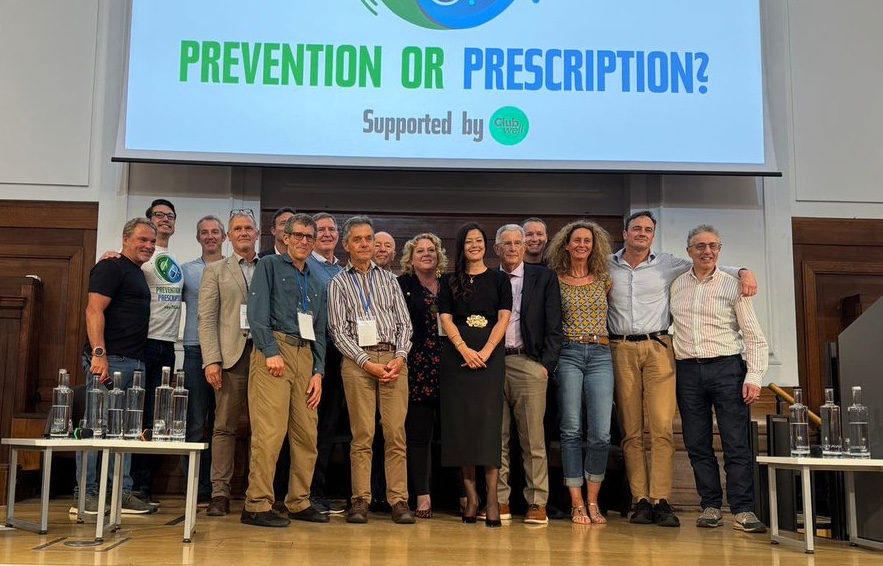
This year’s conference was another outstanding event that saw over 20 world-renowned experts convene in London to share their knowledge. In preparation for the video recordings being published from 9th September on our YouTube channel for everyone to benefit from, you can read a summary report of this year’s conference by Dr Mimet Meleigy.
In addition, we’re getting closer and closer to tickets going on sale for our 10-year anniversary conference taking place on 16th and 17th May 2026 in London. Sign up for email notifications right here – https://forms.office.com/e/t3D84Hv5hm
Now, without further ado, let us handover to Dr Meleigy…
The Public Health Collaboration’s (PHC) 9th Annual Conference was held on 31st May and 1st June at The Light in Euston, London. A passionate group of global experts, clinicians, and community health practitioners gathered to discuss low-carb nutrition, metabolic therapy and lifestyle interventions for chronic disease. The combination of cutting-edge research, expert panel discussions, and health transformation testimonials, made this a landmark event in advancing metabolic health and transformative healthcare.
Day One
Sam Feltham, PHC Founder and Director, chaired the conference, and opened with a jovial welcome. Dr David Jehring, Chair of Trustees, followed, with a stark reminder – 25% of UK adults are obese, costing the NHS £16 billion annually, with this being the tip of the iceberg, as 90% of chronic diseases are now known to stem from metabolic dysfunction. He urged for a move away from costly GLP-1 agonists, to more sustainable, root-cause solutions such as real food, behaviour change, and scalable patient support. Thanking the PHC for the thousands of lives it has helped, he introduced Elevate, PHC’s new digital tool, and called it a “personal health companion”, which uses AI to track food, movement, and sleep, and offers real-time coaching. Elevate makes daily behaviours visible and actionable, helping individuals make “small changes” which lead to “big impact” and build lasting health habits.
Dr Eric Westman, Director of the Keto Medicine Clinic at Duke University, kicked off the keynote presentations with a historical overview of low-carb diets, noting their use in diabetes type 2 long before insulin was discovered, while dispelling them as a “fad”. Challenging the outdated “calories in, calories out” model, he clarified that it is insulin, and not calories, driving fat storage; Upon carbohydrate consumption, insulin is raised, and carbohydrates are metabolised in favour of any other food group, but, upon carb restriction, the body shifts to fat metabolism via lipolysis, becoming more effective at weight loss. He noted that carbohydrates are non-essential nutrients, as the body produces glucose via gluconeogenesis, when needed. Dr Westman emphasised that the constituents of low carb diets remain unchanged and consistently outperform low-fat diets for weight and glycaemic control.
Dr David Unwin, renowned NHS GP who has helped over 50% of his type 2 diabetes patients reach remission using low-carb diets, discussed the weighted topic of GLP-1 agonists. He explained their appetite-suppressing and insulin-raising mechanisms, highlighting their potential effective use in obese and diabetic patients who are unable to control appetite or blood glucose unaided. Noting their high cost, and side effects, such as nausea, muscle loss, gut paralysis and possible depression, albeit often mild, can be serious in some people. Dr Unwin raised concerns on these drugs’ unknown long term risks, particularly in younger patients, and discouraged high doses. For food addiction cases, these drugs offer short-term relief, but it was emphasised that real food and movement naturally boost GLP-1 without the side effects, and that sustainable change must come from such lifestyle and behavioural interventions instead.
Ellen Bennett RD initiated the discussion on the often-ignored yet essential topic of food addiction, and introduced Liberate, a digital program tackling ultra-processed food (UPF) addiction through abstinence, behaviour tools, and patient support. With over 80% retention and a 41% drop in addiction severity, Liberate has shown major improvements in mental health and weight control.
Dr Jen Unwin, a clinical psychologist, continued the discussion, explaining how UPFs are hyperpalatable and often engineered to be addictive, hijacking the brain’s reward and dopamine systems much like alcohol or drugs. She emphasised that for many, moderation is not feasible and that abstinence and structured support are essential. We heard of her Delphi study, involving 51 global experts across 10 countries, appealing for official recognition of “ultra-processed food addiction” as a substance use disorder. Expressing frustration that food addiction remains unrecognised by the WHO and the Diagnostic and Statistical Manual of Mental Disorders (DSM), Dr Unwin warned that without this recognition, many patients relapse into UPF consumption, undermining lifestyle change incentives.
Professor Mark Cucuzzella, a family physician and metabolic health educator from West Virginia University, discussed insulin resistance as the root of modern chronic diseases, calling it the “soil” from which illness grows, and insulin sensitivity as being a root measurement. He cautioned against handing out GLP-1 prescriptions without nutritional counselling, pointing out that the drugs’ success depends on a patient’s metabolic baseline with those in poor metabolic health and insulin resistance, demonstrating poor efficacy. The importance of prioritising nutrition was emphasised, especially protein intake (~1.5-2 g/kg body weight), and resistance training to preserve lean mass while on these drugs.
A GLP-1 panel discussion, chaired by Graham Phillips, included Dr David Unwin, Prof Mark Cucuzzella, Dr Jen Unwin, Ellen Bennett RD and Dr Eric Westman. The panel discussed the use of these drugs in extreme cases, and their potential serious side effects, one of which is 40% of weight lost being muscle and bone mass, which does not easily return upon cessation. Dr Jen Unwin addressed concerns about these drugs causing depression, explaining that they may destabilise brain reward pathways, triggering addiction transfer. Minimal effective dosing was recommended and the topic of informed consent for prescription drugs, raised. Natural GLP-1 boosters such as fasting, ketosis and exercise were advised instead of the GLP-1 agonists. Allulose, a natural plant sugar and GLP-1 agonist, was seen as promising but possibly feeding into food addictive behaviours. The panel agreed that real food and resistance training remain foundational.
The afternoon session was initiated with Registered Dietitian and Vice-chair of the PHC’s Scientific Advisory Committee, Helen Gowers. She gave us an overview of The Lifestyle Club study with the University of Surrey.
This was followed by entrepreneur and nutrition reformer, Steve Bennett, who exposed the hidden sugars and insulin-spiking effects of foods marketed as “healthy.” From cereals to jacket potatoes, he showed how common UK dietary staples exponentially raise blood glucose, as he criticised the public health messaging that encourages these foods, calling for honest labelling and a re-education on food quality, not just calories. He urged for dispensing of the food pyramid and prioritising insulin control for health.
The second half of the afternoon was opened by Dr Chris Knobbe, Associate Clinical Professor Emeritus, who correlated the increase in incidence of chronic diseases such as heart disease, obesity and cancer, with the introduction and rise of industrial seed oils. Rich in linoleic acid, these oils oxidize easily, triggering inflammation, mitochondrial dysfunction and insulin resistance. As traditional fats were replaced, metabolic disease increased. Dr Knobbe labelled seed oils “metabolic poisons” and advocated for a return to ancestral fats, such as olive oil, and coconut oil.
Patrick Holford, founder of Food for the Brain Foundation, discussed cognitive decline and its links to excess sugar, omega-3 deficiency, and micronutrient insufficiency. He recommended brain targeted nutrition for prevention including phospholipids, B vitamins, omega-3s, and a low-carb diet to prevent dementia and depression and highlighted the failure of conventional psychiatry to address diet as a modifiable factor.
Chaired by Dr Campbell Murdoch, the seed oil panel included Dr Chris Knobbe and Patrick Holford, discussing the dangers of industrially processed seed oils and the economic motivations behind their widespread use. Dr Knobbe reiterated that these oils, rich in omega-6 linoleic acid, undergo high-heat extraction, creating toxic oxidation by-products linked to obesity, inflammation, and chronic disease. An example noted was of Norway having high coronary heart disease in the 1960s due to margarine from whale oil. Patrick Holford added that these oils displace key nutrients, harming brain health. Omega-6 deficiency was debated, with some citing declining seafood intake and altered oil formulations. Replacement with ancestral fats was again recommended.
Day Two
Dr David Jehring opened day two, highlighting the urgent need to scale lifestyle-based prevention. He referenced Somerset, where 30,000 people live with type 2 diabetes and are far beyond what traditional coaching models can reach. Reiterating the transformative power of AI in creating personalised, preventative healthcare. Dr Jehring stressed the need for data-backed lifestyle change at scale, particularly as GLP-1 drug costs soar. He also emphasized the role of community and behavioural support in shaping effective, ethical digital health tools.
The morning session was initiated by Professor Thomas Seyfried, who challenged the genetic mutation model of cancer, pointing to mitochondrial dysfunction as the true origin. He cited nuclear transfer experiments showing that healthy nuclei placed in cancerous cytoplasm still result in cancer, while cancerous nuclei placed in healthy cytoplasm do not. Prof Seyfried explained that malfunctioning mitochondria, not DNA mutations, drive tumour development, with somatic mutations and oncogenic signalling being downstream effects. Supporting this is the finding that mitochondrial abnormalities are consistent across nearly all cancers. Cancer cells are metabolically inflexible, relying on glucose and glutamine fermentation due to impaired oxidative phosphorylation (Warburg effect), creating a therapeutic window for cancer treatment. He promoted the “press-pulse” strategy, combining ketosis, calorie restriction, glutamine inhibition such as with Don (6-Diazo-5-oxo-L-norleucine, a glutamine analogue and metabolic inhibitor, to capitalise on this vulnerability. The glucose-ketone index (GKI < 1.0) was introduced as an important metric for tracking therapeutic progress in real time.
Dr Isabella Cooper PhD from Westminster University followed, discussing her crossover trial with ten metabolically healthy women adapted to long-term nutritional ketosis, and their biological markers while on a ketogenic diet, compared to a standard UK diet. After a 21-day shift to a high-carbohydrate EatWell diet, participants experienced significant metabolic disruption. Insulin levels rose by an average of 70%, IGF-1 increased by 24%, leptin by 52%, VEGF by 34%, and MCP-1 by 38%. These markers are implicated in inflammation, angiogenesis, and tumour progression. VEGF, in particular, enhances blood vessel formation around tumours, while MCP-1 fosters a pro-inflammatory tumour microenvironment. Upon return to ketosis, all biomarkers returned to baseline. Dr Cooper emphasised that dietary carbohydrate is the primary driver of these pro-cancer signals. She noted that endogenous ketosis (not exogenous supplementation) led to improved insulin sensitivity and immune modulation. Her findings show that dietary carbohydrate can rapidly induce cancer-associated growth factors and metabolic shifts, whereas sustained ketosis normalises them, supporting its potential role in cancer prevention and metabolic stability. She reiterated the importance of the glucose-ketone index (GKI < 1.0) in measuring health outcomes.
Dr Matthew Phillips continued with the mitochondria-centric “terrain theory” of cancer, viewing it as a metabolic disease arising from mitochondrial dysfunction, not random genetic mutations. We heard that mitochondria are the cellular masters, regulating energy, redox states, gene expression, and intercellular communication, and moving through fusion, fission, and nanotube transfer. Damaged mitochondria disable oxidative phosphorylation, forcing cancer cells into fermentation (Warburg effect), creating therapeutic vulnerability. Dr Phillips discussed his use of ketogenic metabolic therapy (KMT), particularly using fasting, to induce a “mito-shift” back to oxidative metabolism. This shift lowers glucose and growth factors (insulin/IGF-1), raises ketones, and enhances mitophagy and biogenesis, restoring healthy cell function while targeting cancer. He presented glioblastoma (GBM) data from his patients, with a clinical trial with 18 patients with advanced cancer showing median survival of 13 months, and promising ongoing results from a case study of a 37-year-old woman with metastatic thymoma. Dr Phillips clarified that KMT is safe, feasible, and potentially life-extending when integrated with conventional treatment, restoring the metabolic terrain rather than solely attacking tumour cells. He noted that starting this treatment early upon a cancer diagnosis may be preferential, before the mitochondrial have been severely damaged, in order to be most effective for remission.
The cancer panel, chaired by Dr Anthony Chaffee, with Prof Thomas Seyfried, Dr Isabella Cooper and Dr Mathew Phillips, discussed the importance of a balanced, nutrient-rich diet and the need for medical supervision in implementing KMT. The discussion also focused on the role of cardiolipin in mitochondrial function and its alteration in cancer, emphasizing the need to maintain its profile. Fluconazole’s effectiveness in crossing the blood-brain barrier and treating brain cancer was highlighted. The ketogenic diet’s potential in delivering therapeutic agents to the brain without toxicity, and the importance of nutrient-dense diets, the challenges of accessing supplements, and the need for tailored nutrition advice for cancer patients, were explored. The role of methylation, B vitamins, and vitamin C in cancer prevention and treatment was debated, with a focus on evolutionary biology and nutritional strategies.
Dave Feldman, Chief Executive Officer of the Citizen Science Foundation, kicked off the afternoon session by presenting the much-anticipated KetoCa study, which tracked 100 long-term keto dieters (average age 55.3, keto duration 4.5 years) with LDL ≥190 mg/dL. Despite high LDL, semi quantitative CT angiography showed no significant plaque differences compared to a general cohort. Quantitative analysis showed a 43% rise in non-calcified plaque (44 to 63 mm³), but baseline levels were unexpectedly low. He noted that 44% had zero calcified plaque initially and 18 participants developed it after one year. LDL and ApoB did not correlate with progression, while using alternative software showed smaller plaque increases (64.4 vs. 107.8 mm³). Feldman emphasised the importance of transparency, objective measurement via imaging (CT angiography), and open data review and urged caution in over-interpreting early results as he awaits full analysis before conclusions about cardiovascular risk in keto populations with elevated LDL.
This was followed by Dr Anthony Chaffee, a neurosurgical physician and ex-professional athlete, who discussed humans being obligate hyper carnivores, referencing 2 million years of eating meat and fat. He criticised plant-based diets for containing antinutrients such as oxalates, lectins, and phytoestrogens, which trigger inflammation and hormonal disruption. In contrast, animal foods are nutrient-dense, bioavailable, and free from toxins. Dr Chaffee called for clinical trials and an evolutionary reappraisal of human diets, as he recommended to embrace evolutionary biology, and investigate carnivore diets not as a fringe experiment but as a serious therapeutic option for chronic and malignant disease.
Then Dr Damian Downing, President of the British Society of Ecological Medicine discussed the synergy between sunlight, structured water, and our biology. He explained that 50% of sunlight is near-infrared (NIR), which penetrates deep into tissue and stimulates mitochondrial repair and exclusion-zone (EZ) water, a structured form vital for cellular energy flow. Indoor light is 100x weaker, depriving modern humans of this stimulus. He discussed studies showing NIR light helps autoimmune disease, thyroid issues, and chronic pain, and warned against geoengineering efforts to block sunlight. Dr Downing cited UK Biobank data showing that 15% more sunlight exposure cuts all-cause mortality by 12%. Light, water, and biology, he stressed, must act together.
Rounding off the conference was The Future of Healthcare panel, led by Dr John Schoonbee, Global Chief Medical Officer at SwissRe, tackling systemic failures in global health, and spotlighting metabolic dysfunction as a major cause. Dr Schoonbee noted life expectancy is plateauing since 2010, driven by insulin resistance, yet mainstream medicine ignores this. Jayne Bullen emphasized the neglect of low-cost nutrition policies and the Ottawa Charter. Dr Chaffee criticised the sickness-driven incentives of pharma, food, and insurance companies. The panel pushed for habit-based education, and evidence gaps, especially around mortality data, blocking insurer adoption. A call for rebranding “low-carb” to “metabolic health,” CGM access, and political will to shift from sick care to true prevention.
The PHC 2025 Conference evidenced chronic disease as being largely preventable and often reversible, through metabolic health, real food, light, and behaviour change. Challenging mainstream dogmas, and diet recommendations, while rebuilding a healthcare system rooted in prevention and patient empowerment, remains essential.
P.S. Don’t forget that tickets for our 10th anniversary conference on 16th and 17th May 2026 in London go on sale soon, so be sure to sign up the ticket sales email notification list right here – https://forms.office.com/e/t3D84Hv5hm